Clove Plants –...
Sale!
$ 54.56
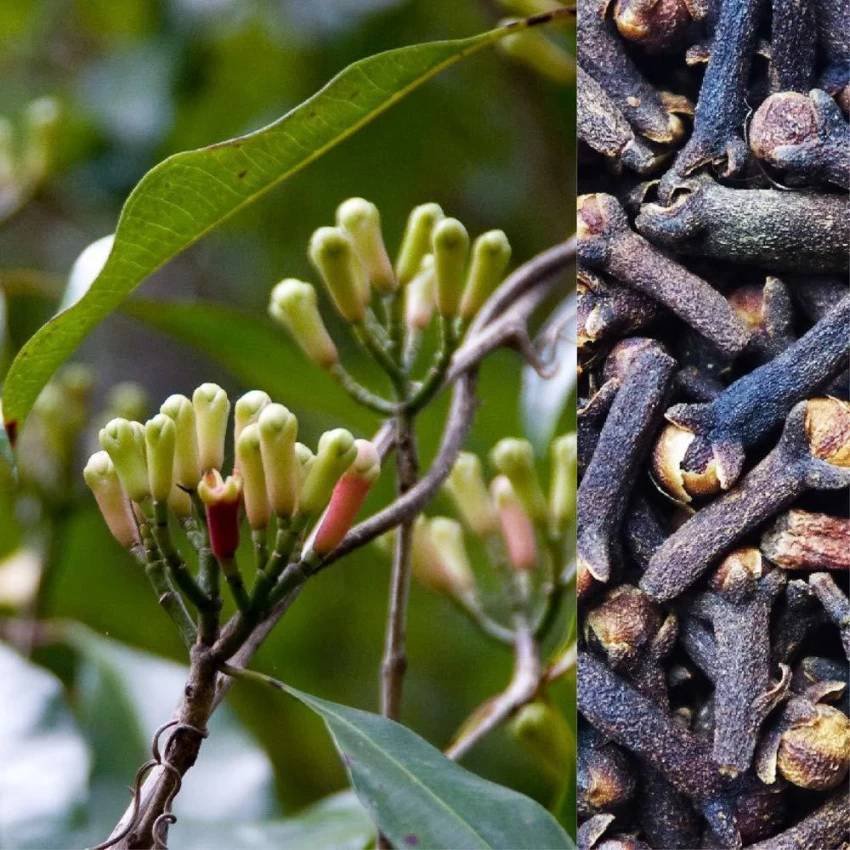
Maintaining clove plants involves several key practices to ensure their health and productivity. Here are some general guidelines for the maintenance of clove plants:Soil and Location:Clove plants thrive in well-drained, fertile soil with a slightly acidic to neutral pH.Plant them in a location with partial shade to full sun exposure.Watering:Clove plants require regular watering, especially during dry periods.However, they are sensitive to waterlogging, so ensure proper drainage to prevent root rot.Fertilization:Apply a balanced fertilizer with essential nutrients, particularly nitrogen, phosphorus, and potassium, during the growing season.Organic compost can also be beneficial for soil enrichment.Pruning:Prune clove plants to maintain their shape, remove dead or diseased branches, and improve air circulation.Pruning can also help manage the size of the tree for easier harvesting.Pest and Disease Control:Keep an eye out for pests such as aphids, mites, and caterpillars. Use appropriate insecticides if necessary.Clove plants can be susceptible to diseases like anthracnose and root rot. Proper sanitation and preventive measures can help manage these issues.Harvesting:Harvest clove buds when they reach the appropriate size and color before they open into flowers.Allow the harvested buds to dry in the sun for several days until they become hard and dark brown.Mulching:Mulch around the base of clove plants to help retain moisture, suppress weeds, and regulate soil temperature.Disease Prevention:Rotate crops to prevent the buildup of soil-borne diseases.Practice good garden hygiene by removing fallen leaves and debris regularly.Winter Protection:In cooler climates, provide protection during winter months as clove plants are sensitive to cold temperatures.Regular Monitoring:Regularly monitor the overall health of the plants, looking for signs of stress, disease, or nutrient deficiencies.Address any issues promptly to maintain plant vigor.

 Cart is empty